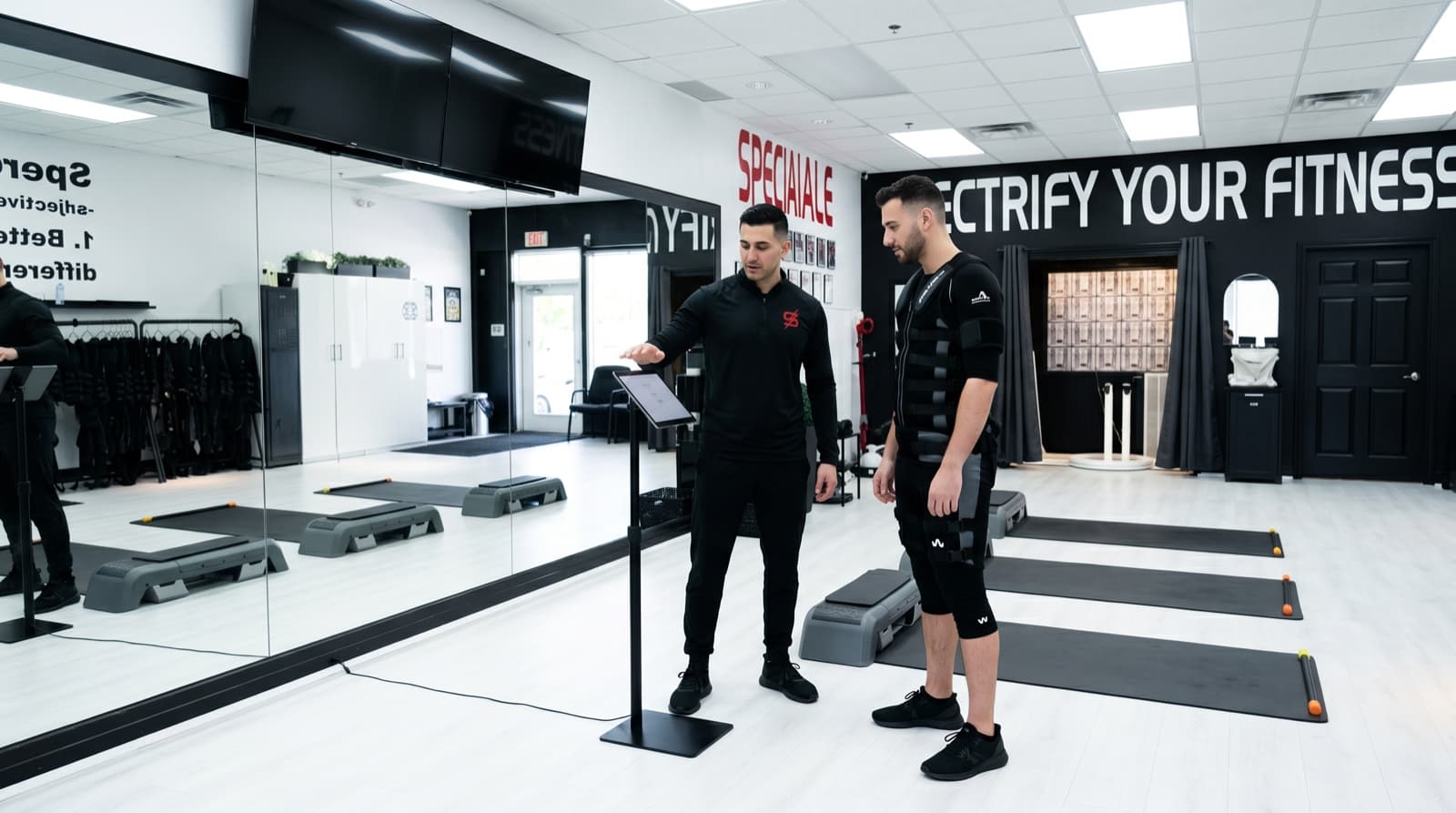

New training methods always attract myths, and EMS is no exception. The truth is that it is a proven, advanced technology, the same kind elite athletes and physiotherapists have used for years, now coach-led in a 20-minute studio session. At Speciale Fitness across the GTA, we would rather give you the straight story than the hype. Here are the five myths we hear most, the honest truth behind each, and how to feel it for yourself free.
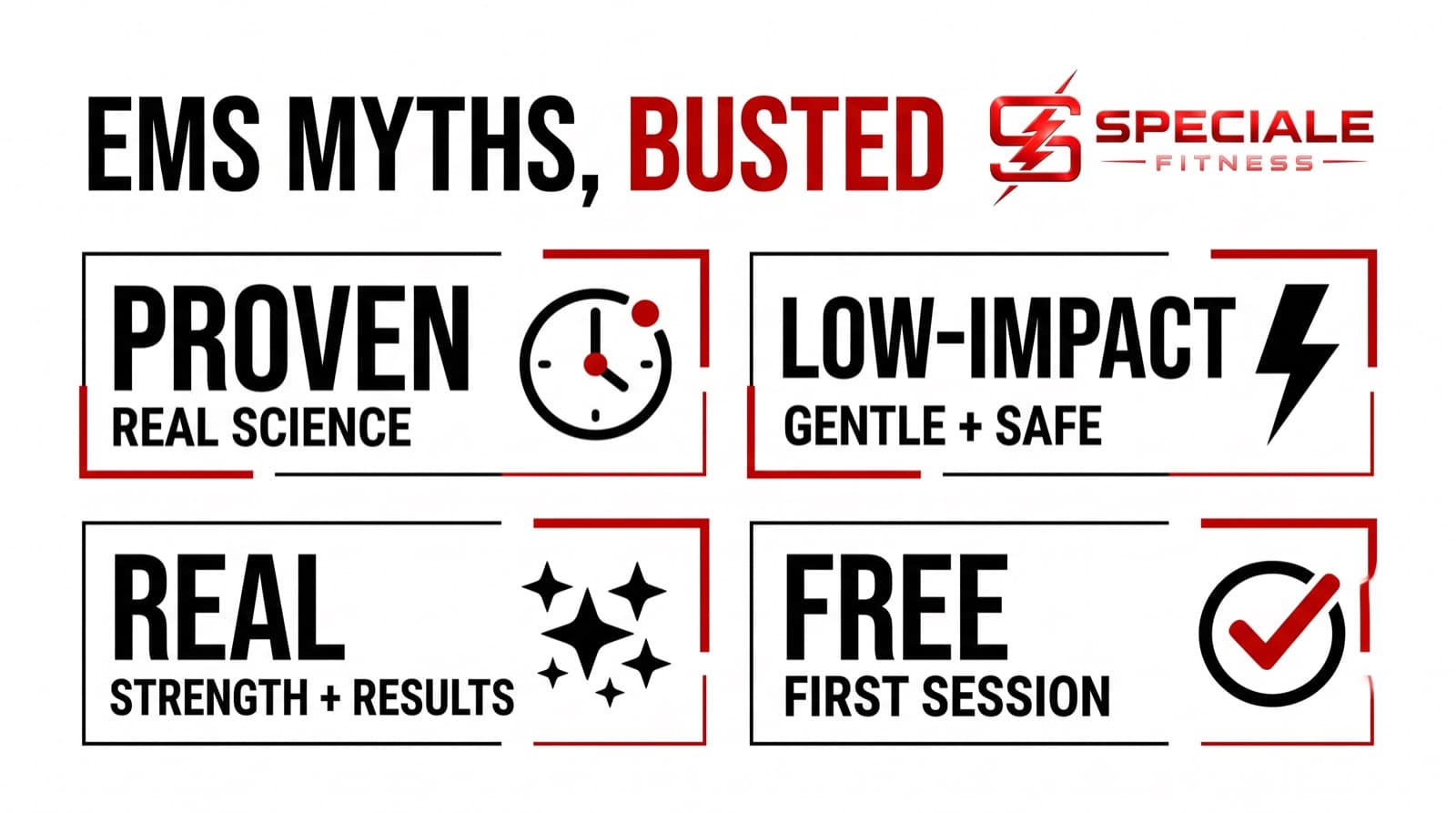
Myth 1: “It does the work for you”
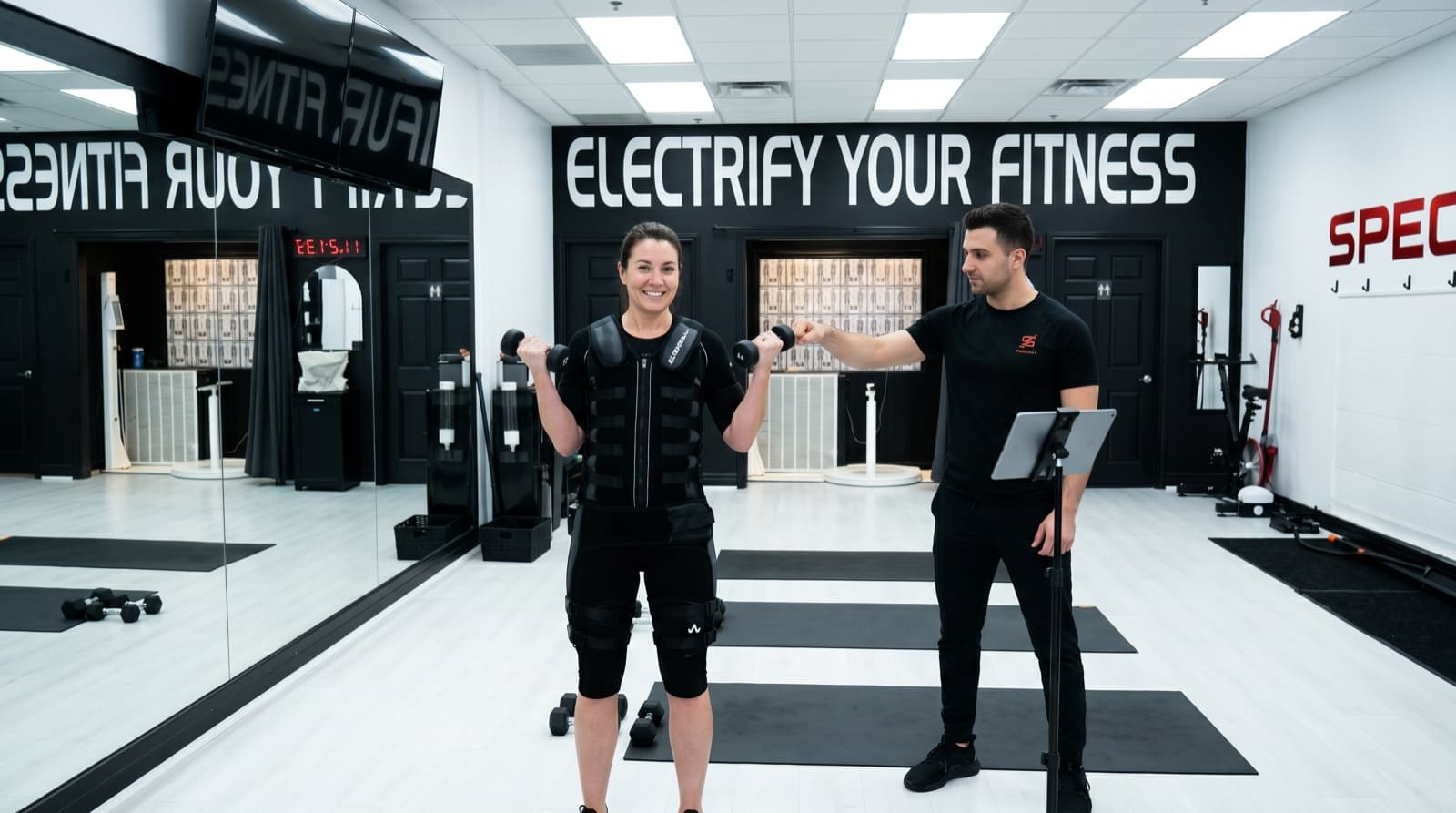
Not true. You still do every exercise yourself, the squats, the presses, the holds. The suit makes your own muscles work harder by recruiting more of them at once, so it does not replace effort, it amplifies it. Anyone who has finished a real session will tell you it is genuinely challenging, that is exactly why it works.
Myth 2: “It is painful”
EMS feels like a strong tingle or buzz that builds and releases with each rep, not pain. Your coach controls the intensity the whole time and only turns it up as you get comfortable, so you are always in control. Most people are surprised by how natural and manageable it feels once they try it.
Myth 3: “It is only for athletes”
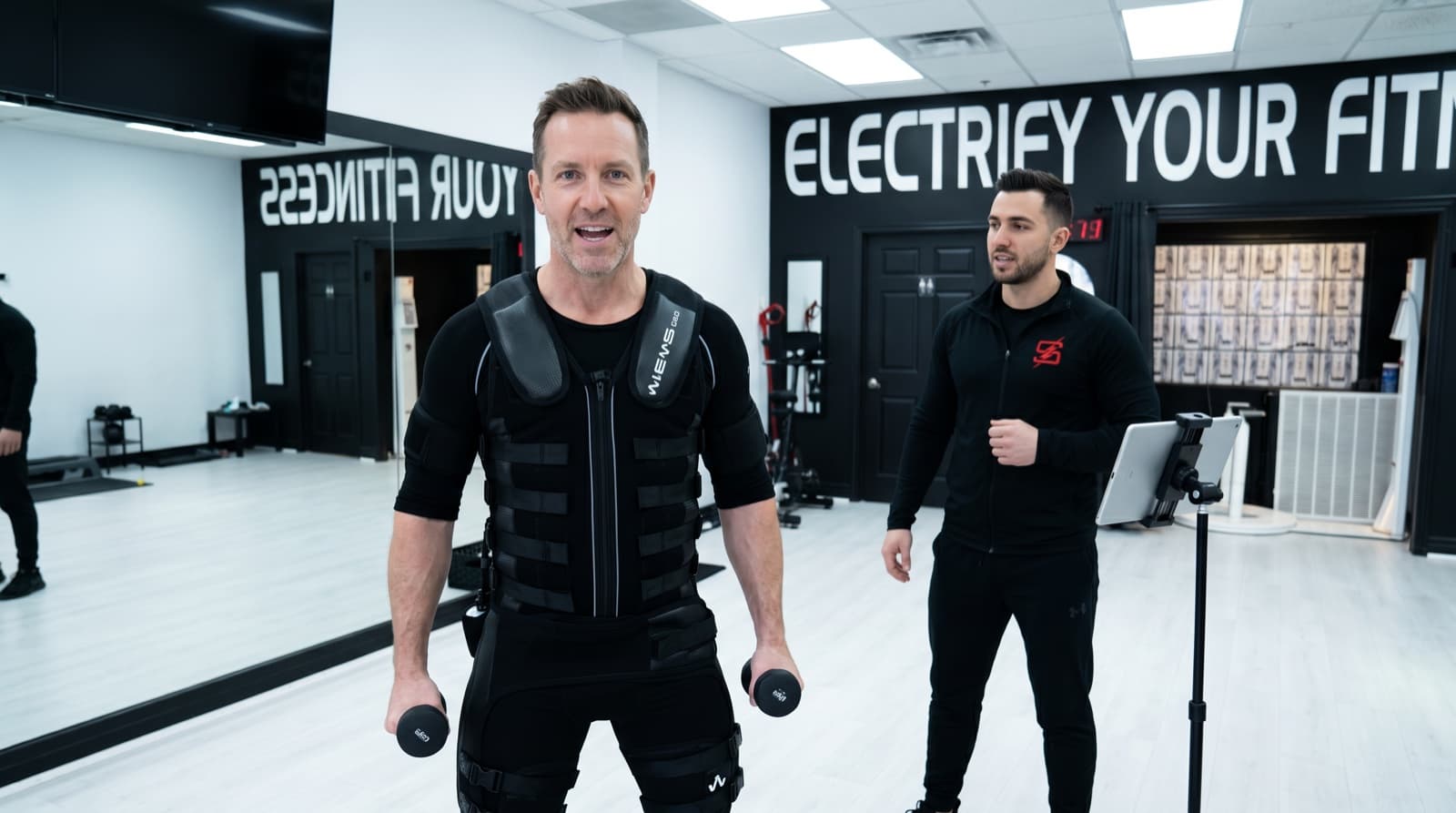
EMS suits beginners, seniors and people coming back from injury just as well as athletes, often better, precisely because it is so low-impact. The intensity scales to you, so whether you are brand new to training or returning after years away, it meets you where you are. It is one of the most approachable ways to start.
Myth 4: “20 minutes can’t be enough”
Because so much muscle is engaged at once, up to 90% of it, a focused 20-minute session delivers a serious full-body stimulus. Quality beats quantity here, and the proof is in our members’ measured Fit3D results. Most train just twice a week, or three times when chasing faster results, and the changes are real.
Myth 5: “It is not safe”
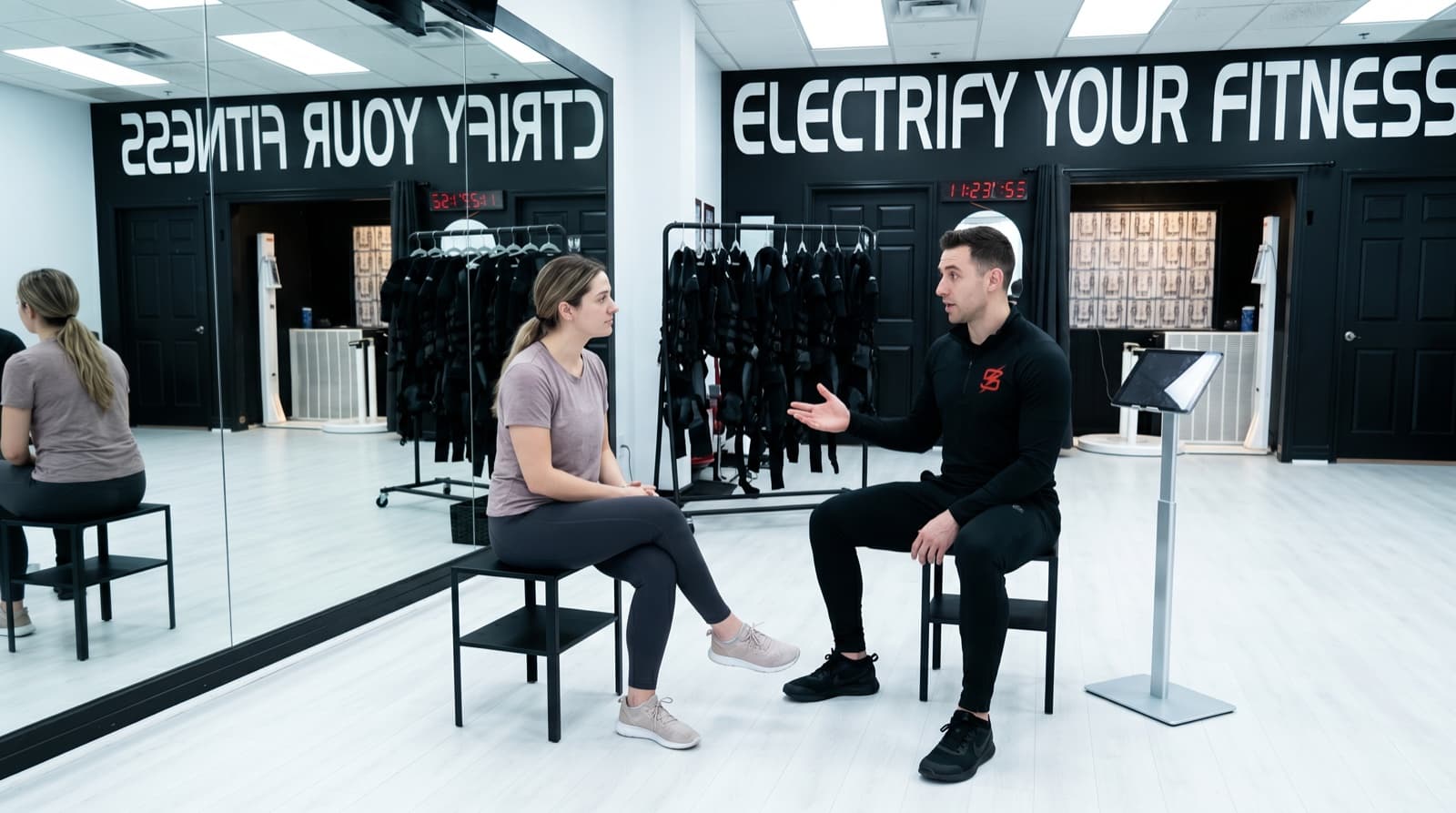
Done with a trained coach and a quick health check, EMS is safe and well-studied, with decades of use in sport and physiotherapy behind it. We start gently, keep you in control the whole time, and scale the intensity to your body. It is not recommended for a few specific conditions, which is exactly what the health check is for.
The honest bottom line
EMS is not magic, and we will never pretend it is. You still show up, put in real effort, and pay attention to your nutrition. What it is, is one of the most efficient, joint-friendly ways to train there is, backed by real coaching and real measurement. That is the whole truth, no hype required.
See for yourself
The fastest way past the myths is to feel it. You can try a real coach-led session at our nearest Speciale Fitness studio across the GTA. Book your free Starting Point Session, with no pressure and no commitment, and decide for yourself.
Try your first session free
See what 20 minutes of EMS can do. One free session, no commitment, at our Vaughan or Mississauga studio.
Book Your Free SessionFrequently asked questions
Does the EMS suit do the workout for you?
No. You perform every exercise yourself. The suit recruits more of your muscle at once so your own effort works harder, it amplifies the workout rather than replacing it.
Does EMS training hurt?
No. It feels like a strong tingle that builds with each rep, not pain. Your coach controls the intensity and only increases it as you get comfortable.
Is EMS only for athletes?
Not at all. Because it is low-impact and scaled to you, EMS suits beginners, seniors and people returning from injury just as well as athletes, often better.
Can 20 minutes really be enough?
Yes. EMS activates up to 90% of your muscles at once, so a focused 20-minute session delivers a complete full-body workout, and our Fit3D scans show the real results.
Is EMS training safe?
For healthy adults, yes. It is coach-controlled, low-impact and well-studied, with a quick health check first. It is not recommended for a few specific conditions, which the health check screens for.